
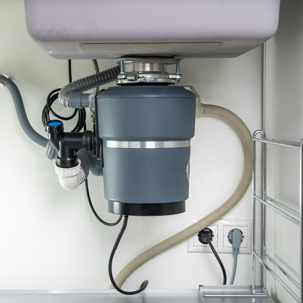
Standing over the sink in your Vineland kitchen, it is tempting to scrape every last bit of dinner into the garbage disposal, flip the switch, and let it all disappear. The unit sounds powerful, the water is running, and the scraps seem to vanish, so it feels like a simple solution that saves time and keeps trash bags from filling up as fast. Many homeowners in South Jersey use their disposals this way, especially after big family meals.
That everyday habit can come with hidden costs. Some food scraps that look harmless on the plate behave very differently once they are ground up and pushed into your pipes. Over time, those choices can clog your kitchen drain, shorten the life of your disposal, and even add strain to Vineland’s sewer system. Knowing which foods are safe and which are trouble helps you avoid messy backups and unexpected repair bills.
At Ben's ProServ, we spend a lot of time under sinks and in crawlspaces across Vineland and the rest of South Jersey. Many of the kitchen calls we handle start the same way, with someone asking, “Can I put this down the drain?” We have seen what different kinds of food waste do inside real pipes and disposals, not just in manuals. In this guide, we will share what works, what does not, and how to keep your disposal and drains in good shape while staying aligned with local recommendations.
How Garbage Disposals Really Handle Food Scraps
A garbage disposal does less than most people think and more than it gets credit for. Inside the unit, there are no sharp blades slicing food into dust. Instead, a small plate with metal impellers spins at high speed, slinging food scraps against a stationary grind ring. That grinding action breaks food into smaller particles, and running water carries those particles out of the disposal and into your kitchen drain pipe.
From there, the water and food particles move through the P-trap under the sink, then into a horizontal branch line in the wall or floor, and finally into the larger main drain that serves the rest of the home. In many Vineland houses, especially older ones, those pipes may be smaller in diameter or made from older materials like cast iron. Cast iron often has a rougher interior surface from years of mineral buildup, which gives grease and food more places to catch and stick.
This is why the difference between “can the disposal grind it” and “should the plumbing carry it” matters so much. The motor can often chew through tough scraps for a while, but that does not mean the particles will move smoothly through the entire run of pipe. Heavy or sticky materials can settle in low spots, cling to pipe walls, and start narrowing the passage. Over time, layer after layer builds up until the sink drains slowly or stops altogether.
Our technicians see this pattern over and over in Vineland kitchens. The disposal itself is still in decent shape, but the drain line is packed with a mix of cooled grease, starch, and other scraps. When we pull the P-trap or run a cable down the line, what comes back usually looks nothing like the simple plate scraping the homeowner remembers. That real-world view is what shapes the guidance we share with local customers about how to use their disposals more wisely.
Food Scraps That Are Usually Safe For Your Garbage Disposal
A garbage disposal is designed to handle certain types of food waste when used correctly, but it is not meant to process all kitchen scraps. In Vineland homes, the safest approach is to limit usage to soft, easily breakable foods in small amounts and to rely on proper disposal habits that prevent buildup in your plumbing system. When used thoughtfully, a disposal can make kitchen cleanup more efficient without increasing the risk of clogs or drain issues.
Foods and habits that are generally safe for garbage disposal use:
- Small amounts of cooked vegetables: Soft vegetables that have been cooked tend to break down easily and can be safely processed in limited quantities.
- Light portions of cooked meat: Small scraps of cooked meat can be used occasionally, provided they are not fatty or excessive in volume.
- Thin sauces and gravies: Liquids without heavy grease content can pass through the system more easily when flushed properly with water.
- Leftover food residue from scraped plates: Tiny remnants left after scraping dishes are ideal for disposal use rather than full portions of food waste.
- Cold water usage during operation: Running cold water before, during, and after use helps move particles through the system and prevents buildup.
- Gradual feeding of food waste: Adding small amounts at a time allows the disposal to grind efficiently and reduces strain on the unit and drain lines.
- Extended rinse after shutdown: Allowing water to run after turning off the disposal helps clear remaining particles from the trap and plumbing.
- Proper pre-scraping of dishes: Removing excess food into the trash before rinsing prevents overload and keeps the disposal working as a secondary cleanup tool.
The Food Scraps That Cause Most Kitchen Clogs
Kitchen drain clogs in Vineland homes often trace back to a predictable group of food scraps that do not break down safely in a garbage disposal or plumbing system. While many of these items seem harmless going down the drain, they change once they enter your pipes—cooling, expanding, or binding together in ways that gradually restrict water flow. Over time, these materials accumulate and create blockages that require professional clearing.
The food scraps most commonly responsible for kitchen clogs:
- Fats, oils, and grease (FOG): Bacon grease, cooking oil, butter, and meat drippings cool inside pipes and solidify into sticky layers that trap other debris and steadily narrow the drain line.
- Accumulated grease buildup over time: Each new layer of cooled fat adds to existing deposits, especially in older cast iron pipes where rough surfaces help buildup cling and harden.
- Fibrous vegetables and plant material: Celery, corn husks, onion skins, and similar foods wrap around disposal components and snag inside pipe joints, leading to tangled blockages.
- Starchy foods like pasta, rice, and potatoes: These items absorb water, expand, and form dense pastes that cling to pipe walls and combine easily with grease.
- Holiday meal leftovers in large quantities: Large portions of starchy or fatty foods dumped at once can overwhelm the system and create rapid, heavy buildup in drains.
- Coffee grounds and fine grit: Though small, coffee grounds do not dissolve and instead settle like sediment in low points of the plumbing system.
- Eggshells and small food particles: These can add abrasive grit that collects in traps and contributes to sediment buildup over time.
- Combined food waste mixtures: The most severe clogs often occur when grease, starch, fibers, and grit mix together, forming dense blockages that restrict or completely stop flow.
What Vineland Guidelines & Environmental Advice Say About Food Waste
What you send down your kitchen sink does not just affect your own plumbing. In Vineland and across South Jersey, those pipes usually connect to shared sewer lines or, in some areas, to septic systems. When fats, oils, grease, and excessive food waste leave your home, they head into those wider systems. There, they can cool and solidify just like they do in your pipes, but on a larger scale that affects more than one property.
Across the country, utilities and environmental agencies warn against pouring grease down kitchen sinks because it is a leading cause of sewer blockages. In larger mains, grease can combine with other materials and form heavy deposits that restrict flow. Maintenance crews sometimes encounter large, waxy masses formed from cooled fats and trapped debris. Clearing those blockages is costly and disruptive, which is why communities, including those in South Jersey, frequently remind residents to keep grease out of drains.
General guidance also leans toward keeping solid food waste to a reasonable level in sewer and septic systems. Even if your disposal can grind food into smaller pieces, those solids must still be handled at treatment plants or inside septic tanks. Excess food scraps can contribute to faster buildup in tanks and can cause issues in systems that were not designed to handle heavy food waste loads. In some areas, municipalities encourage residents to trash or compost most food scraps rather than rely heavily on disposals.
Specific rules can change over time, so it makes sense for Vineland homeowners to review current information from city or county waste and sewer resources. In our role as a local service provider, we see firsthand how better habits at the sink reduce stress on both home plumbing and the wider system. By keeping grease and heavy food waste out of your disposal, you protect your own kitchen and support the infrastructure your neighbors rely on as well.
Trash, Compost, Or Disposal: Where Should Your Food Scraps Go?
Faced with a sink full of dishes, it helps to have a simple way to decide where each type of scrap belongs. Think of three main destinations. A small amount can go into the disposal, much of it should go into the trash, and some of it can be set aside for compost if that fits your household. The right choice depends on how that material behaves in water and inside pipes.
Generally safer for the disposal in small amounts:
- Soft, cooked vegetables scraped thinly from plates
- Small bits of cooked meat (without large fat caps or bones)
- Thin sauces and gravies with limited fat content
- Small amounts of non-fibrous fruit scraps
Better off in the trash:
- Fats, oils, and grease from cooking, including bacon and frying oil
- Large portions of pasta, rice, potatoes, or other starchy foods
- Fibrous items such as celery, corn husks, onion skins, and stringy peels
- Coffee grounds, egg shells, and small bones that add grit and bulk
Good candidates for compost (if you use it):
- Vegetable peels and trimmings
- Fruit scraps
- Coffee grounds and paper filters
- Crushed eggshells (in a compost system that can handle them)
Gray-area items like citrus rinds and small bones come up often in conversations with our Vineland customers. Citrus peels can help freshen odors in moderation, but sending a large number of thick rinds through the disposal can strain the motor and add tough material to the drain. Small chicken bones may grind, but they create dense particles that settle in traps and low spots. In both cases, we suggest limiting what goes into the disposal and relying on trash or compost for most of the volume.
These guidelines reflect what we have seen work in real Vineland kitchens. Households that keep grease, heavy starches, and fibrous scraps out of their disposals deal with fewer clogs and less frequent service calls. Using the disposal for light, soft residue and pairing it with a sink strainer, a small trash can, and, when possible, a compost setup gives you the convenience you want without putting your plumbing and local systems under unnecessary strain.
Signs Your Vineland Garbage Disposal Or Drain Is Already In Trouble
Garbage disposal and kitchen drain issues often develop gradually, especially in older Vineland homes or systems that have been in service for many years. Catching early warning signs is important because it allows you to address minor buildup or mechanical strain before it turns into a full blockage or a complete disposal failure. In many cases, the system will start signaling trouble long before it stops working entirely.
Common signs your garbage disposal or kitchen drain is already experiencing problems:
- Slow-draining kitchen sink: Water that lingers in the basin after running the disposal often indicates buildup narrowing the pipe and restricting normal flow.
- Gurgling or bubbling sounds: Noises coming from the drain suggest trapped air caused by a partial blockage in the P-trap or nearby piping.
- Water backing up into the sink: Reverse flow during disposal use can point to a significant obstruction or pressure imbalance in the line.
- Humming without grinding: A disposal that powers on but does not grind often has jammed impellers or an internal obstruction.
- Frequent reset button trips: Repeated need to reset the unit may indicate motor strain, overheating, or an aging disposal nearing failure.
- Tripped breakers or electrical interruptions: Electrical issues during operation can signal motor overload or internal electrical problems.
- Burning odors from the unit: Persistent smells can indicate overheating components or mechanical friction inside the disposal.
- Visible leaks under the sink: Moisture or dripping around the disposal or piping often signals worn seals, cracks, or loose connections.
- Recurring clogs despite flushing attempts: If hot water, ice, or cleaning methods provide only temporary relief, a deeper blockage or mechanical issue is likely present.
- System-wide drainage issues: Slow drainage in other fixtures connected to the same line may indicate a blockage beyond just the kitchen sink.
- Safe response recommendation: When these symptoms persist, professional inspection is recommended to prevent further damage, with licensed support available through Ben's ProServ for safe and effective repair.
How Ben's ProServ Helps Vineland Homeowners Avoid Repeat Disposal Problems
When we respond to a garbage disposal or kitchen clog call in Vineland, our goal is not just to get the water moving again for the day. We focus on finding and fixing the real cause. That process usually starts with a careful inspection of the disposal unit, the visible plumbing under the sink, and, when needed, the drain line beyond the P-trap. Depending on what we find, we may clear a localized blockage, cable a longer section of pipe, or recommend replacing a worn-out disposal.
We use proven methods and quality parts for these repairs. For clogs, that can include proper use of augers and equipment that reach beyond what household tools can handle. For replacement units, we look to models that stand up well to everyday kitchen use in South Jersey homes. By addressing both the disposal and the downstream piping, we help reduce the chance that the same clog will be back in a short time.
Because we handle plumbing, electrical, and HVAC work, we can also address related issues that some providers might have to refer out. If a disposal problem has overloaded a circuit, damaged a switch, or revealed outdated wiring, our technicians can evaluate that as part of the same visit. That saves you from coordinating multiple contractors and gives you a clearer picture of your kitchen’s overall condition.
Just as important, we take the time to explain what went wrong and how to prevent it. When we pull a trap or open a line, we can often show you the actual grease, starch, or debris that caused the problem. Then we give specific tips that match your cooking habits, whether that means avoiding certain foods in the disposal, changing how you scrape plates, or planning maintenance checks. That personal guidance, along with dependable work done right the first time, is how we help Vineland homeowners keep their kitchens running smoothly.
Protect Your Vineland Kitchen Drain With Better Food Scrap Habits
Small choices at the sink add up over time. By keeping grease, fibrous foods, heavy starches, and gritty scraps out of your garbage disposal, you protect the pipes hidden in your walls and floors, and you support the systems Vineland relies on to carry and treat wastewater. Using the disposal for modest amounts of soft residue, pairing it with smart trash and compost habits, and watching for early warning signs can spare you from sudden backups and costly damage.
If your kitchen sink is already slow, your disposal is noisy or unreliable, or you are simply not sure what shape your system is in, you do not have to guess. The team at Ben's ProServ can inspect your disposal and drains, clear blockages, replace failing units, and walk you through the best way to use your system in your specific Vineland home. We bring years of local experience, broad service capabilities, and a commitment to clear communication to every visit.
Call (856) 347-3588 today to schedule service or ask a question about your Vineland garbage disposal and kitchen drain.