
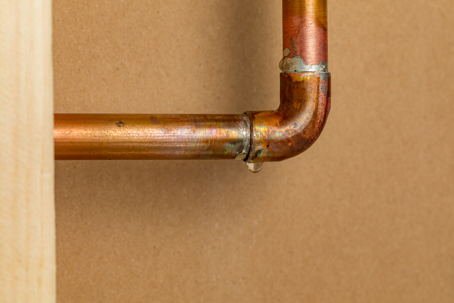
Most people picture water pouring through a ceiling when they think about a plumbing leak. In reality, the leaks that cause some of the most expensive damage are often the ones you never see.
A slow drip inside a wall. A leaking pipe beneath the floor. A small slab leak under the foundation.
These hidden plumbing leaks can continue for weeks or even months before obvious signs appear. According to EPA WaterSense data, the average household loses nearly 10,000 gallons of water each year to leaks, and roughly 10% of homes have leaks wasting 90 gallons or more every day.
By the time water stains appear on drywall or flooring starts to warp, moisture may have already affected framing, insulation, and other structural materials.
The good news is that hidden leaks usually leave clues. Knowing what to look for can help you catch a problem early and avoid more extensive repairs later.
Why Hidden Leaks Often Cause More Damage Than Major Pipe Breaks
A burst pipe gets immediate attention. Water is visible. Homeowners react quickly. Repairs begin right away.
Hidden leaks operate differently.
A small supply line leak inside a wall may release only a few drops at a time. Because the water isn't visible, it continues soaking nearby materials day after day.
Over time, that moisture can:
- Damage drywall
- Weaken wood framing
- Saturate insulation
- Warp flooring
- Encourage mold and mildew growth
In some cases, the leak itself is relatively minor, but the secondary damage becomes significant.
We've seen situations where a tiny pinhole leak caused more overall repairs than a larger plumbing emergency simply because it went unnoticed for so long.
Early Warning Signs of a Hidden Plumbing Leak
Many hidden leaks reveal themselves through subtle changes around the home.
An Unexplained Increase in Your Water Bill
One of the earliest warning signs is a water bill that suddenly increases without a clear explanation.
Maybe no one has been filling a pool. Maybe guests haven't been visiting. Maybe your water habits haven't changed at all.
If water usage continues climbing month after month, there may be a leak somewhere in the plumbing system. A running toilet, leaking supply line, or hidden pipe leak can waste a surprising amount of water before anyone notices.
Instead of focusing solely on the dollar amount, compare the actual water usage listed on your bill.
Patterns often reveal problems before visible damage appears.
Musty Odors in Areas That Should Stay Dry
Certain parts of a home naturally experience humidity.
Bathrooms, laundry rooms, and basements are obvious examples.
What deserves attention is a persistent musty smell that develops in a specific area and doesn't go away.
A hidden leak often creates damp conditions behind walls, under flooring, or inside cabinetry. As materials repeatedly absorb moisture, mold and mildew can begin developing out of sight.
That musty odor may be the first sign that water is present where it shouldn't be.
Changes to Walls, Ceilings, or Flooring
Water leaves evidence behind.
Keep an eye out for:
- Yellow or brown stains
- Bubbling paint
- Peeling wallpaper
- Soft drywall
- Warped flooring
- Baseboards pulling away from walls
These symptoms often indicate moisture has been present long enough to affect building materials. Even if the damage seems minor, it is worth investigating the source.
Simple Tests You Can Do at Home
If you suspect a hidden leak, a few quick checks can provide valuable information.
Try a Water Meter Leak Test
This is one of the easiest ways to determine whether water is escaping somewhere in your plumbing system. Start by turning off all water-using fixtures and appliances.
Make sure:
- Faucets are off
- Washing machines are not running
- Dishwashers are off
- Ice makers aren't actively filling
Locate your water meter and record the reading. Wait 30 to 60 minutes without using any water. Then check the meter again.
If the reading changes, water is moving through the system even though nothing is being used. That typically points to a leak somewhere in the plumbing.
Perform a Toilet Dye Test
Toilets are one of the most common sources of hidden water waste.
A worn flapper can allow water to slowly leak from the tank into the bowl without creating obvious noise.
To test for a leak:
- Remove the tank lid.
- Add a few drops of food coloring to the tank.
- Wait about 15 minutes.
- Check the bowl without flushing.
If colored water appears in the bowl, the toilet is leaking. While this type of leak may not immediately damage your home, it can significantly increase water usage over time.
Compare Water Pressure Throughout the Home
Low water pressure isn't always caused by a leak. However, if one area of the home suddenly experiences weaker flow while the rest of the house seems normal, it could indicate a problem in that branch of the plumbing system.
Compare faucets, showers, and fixtures throughout the home. If only one area is affected, further investigation may be needed.
The Most Common Places Hidden Leaks Begin
Some parts of a plumbing system are more vulnerable than others.
Pipes Behind Walls and Under Floors
Many hidden leaks develop in locations homeowners rarely see. Pipe joints, fittings, and older sections of piping are often the first places where small leaks begin.
In homes with aging plumbing systems, corrosion can gradually create weak points that eventually allow water to escape. Because these leaks remain concealed, they often go unnoticed until damage reaches the surface.
Around Toilets
Toilets contain multiple components that can leak over time.
Potential trouble spots include:
- Tank-to-bowl connections
- Toilet flappers
- Supply line connections
- Wax rings beneath the toilet
Signs of trouble may include soft flooring, discoloration around the base, or unexplained moisture near the fixture.
Water Heaters and Laundry Areas
Water heaters and washing machine connections deserve regular attention.
Check for:
- Corrosion on fittings
- Dampness around connections
- Rust-colored stains
- Small puddles
- Bulging washing machine hoses
These areas often develop slow leaks that remain hidden behind appliances or inside utility spaces.
A quick inspection several times per year can help catch issues early.
When It's Time for Professional Leak Detection
DIY checks are helpful, but they have limitations.
When signs continue pointing toward a hidden leak, professional leak detection becomes the next step.
Modern diagnostic tools allow plumbers to locate leaks with far less disruption than homeowners often expect.
Thermal Imaging
Infrared cameras help identify temperature differences caused by moisture behind walls, ceilings, and flooring.
This can help narrow down the source of a leak without unnecessary demolition.
Acoustic Leak Detection
Specialized listening equipment can detect the sound of water escaping under pressure.
This method is especially useful for slab leaks and concealed pipe leaks.
Pressure Testing
Pressure tests allow plumbers to isolate sections of the plumbing system and determine where water loss is occurring.
Together, these tools help locate problems accurately while minimizing disruption to the home.
Warning Signs You Shouldn't Ignore
Some situations deserve faster attention than others. Schedule a professional inspection if you notice:
- Rising water bills and musty odors
- Water stains that keep returning
- Warped flooring
- Soft drywall
- Multiple signs appearing at the same time
- Water pressure changes combined with visible moisture
The longer a leak remains active, the greater the chance of structural damage and mold growth.
Don't Let a Small Leak Turn Into a Bigger Problem
Hidden plumbing leaks rarely announce themselves with a dramatic flood. More often, they reveal themselves through higher water bills, musty odors, subtle stains, or gradual changes around the home.
Paying attention to these early warning signs can help you identify problems before they lead to significant damage.
If you've noticed signs of a hidden leak or want answers about unusual water usage, professional leak detection can help pinpoint the source quickly and accurately.
Ben's ProServ provides leak detection, water pipe repair, plumbing inspections, and other residential plumbing services throughout South Jersey.
Call (856) 347-3588 or contact us online to schedule an appointment.
FAQs
Can a hidden plumbing leak cause mold?
Yes. Hidden leaks often create damp conditions inside walls, ceilings, and flooring that encourage mold and mildew growth.
How much water can a small leak waste?
Even a small leak can waste hundreds or thousands of gallons over time. According to EPA WaterSense, household leaks account for nearly 10,000 gallons of wasted water annually on average.
Is a higher water bill always caused by a leak?
Not always. Seasonal water use, irrigation, and household changes can affect usage. However, unexplained increases often warrant further investigation.
Are slab leaks covered by homeowners' insurance?
Coverage varies by policy. Some insurance plans may cover resulting damage but not the actual plumbing repair. Review your policy or contact your insurance provider for details.