
As the South Jersey humidity begins to climb, every homeowner starts thinking about the same thing: keeping the house cool without breaking the bank. Choosing a cooling system is a big decision that affects your daily comfort and your monthly budget for years to come. Whether you are building a new home, renovating an older one, or just looking to upgrade an aging unit, understanding your options is the first step to a relaxing summer.
Understanding the Basics of Central Air Conditioning
Central air conditioning is the most common cooling solution in many American homes, especially those built in the last few decades. This system uses a large outdoor compressor to cool air, which is then pushed through a series of ducts and vents throughout your entire house. It is designed to maintain a consistent temperature in every room simultaneously, controlled by a single central thermostat.
Central AC is often the go-to choice for larger families or homes with many rooms because of how it moves air.
- It provides a uniform temperature across the whole house, so there are no “hot spots” between rooms.
- The system helps filter the air and control humidity levels throughout the entire building.
- Because the noisy mechanical parts are located outside, the indoor operation is very quiet.
While central systems are great for whole-house cooling, they do require existing ductwork to function. If your home doesn’t already have ducts, installing them can be a major construction project that involves opening up walls and ceilings.
How Ductless Mini-Split Systems Work
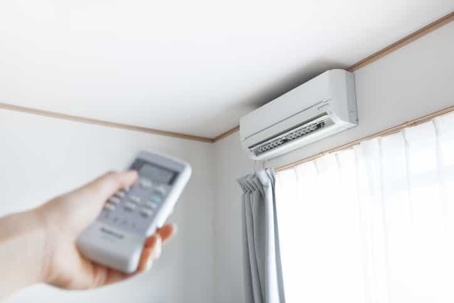
A ductless mini-split system offers a different approach by cooling specific areas of your home without the need for large metal ducts. These systems consist of a small outdoor unit connected to one or more indoor units mounted on the wall or ceiling. Each indoor unit is responsible for cooling the specific room or “zone” it serves, giving you much more control over individual spaces.
Mini-splits are becoming increasingly popular for their flexibility and high efficiency.
- They allow for “zoning,” meaning you can turn off the cooling in the guest room while keeping the bedroom ice-cold.
- Installation is much less invasive, usually only requiring a small three-inch hole in the wall for the connection lines.
- They are incredibly energy-efficient because no cool air is lost through leaky or uninsulated ductwork.
These systems are the perfect solution for older homes in our area that were built before central air was standard. They are also excellent for room additions, finished basements, or sunrooms where extending the main ductwork isn’t practical.
Comparing Energy Efficiency and Monthly Costs
When it comes to your wallet, the biggest difference between these two systems is often found in the monthly energy bill. Central AC units have come a long way in efficiency, but they still lose a significant amount of energy—sometimes up to 30%—through the ductwork. If those ducts are in a hot attic or a crawlspace, the system has to work much harder to deliver cold air to your living spaces.
Mini-split systems avoid this “duct loss” entirely, making them one of the most efficient ways to cool a home.
- You save money by only cooling the rooms you are currently using rather than the whole house.
- Modern mini-splits often have higher SEER ratings, which is the standard measure of energy efficiency.
- Variable-speed compressors in mini-splits allow the system to run at lower speeds to maintain temperature rather than constantly cycling on and off.
While the initial cost to install a multi-zone mini-split can sometimes be higher than a standard central unit, the long-term energy savings often make up the difference. Choosing the right one depends on how you use your home and which rooms you spend the most time in.
Installation and Home Aesthetics
The way a system looks and how it is installed are major factors for many homeowners. Central air is virtually invisible inside the home, with only small registers on the floor or ceiling. If you already have a furnace and ductwork for heating, adding central air conditioning is often straightforward and doesn’t change the look of your rooms.
Mini-splits require an indoor unit to be mounted on the wall, which changes the wall’s appearance. However, modern units are sleek, quiet, and designed to blend into the decor.
For many, the trade-off of seeing a small unit on the wall is worth the benefit of having perfect, customized temperature control in every room.
Which System is Right for Your South Jersey Home?
Choosing between these two options often comes down to the bones of your house. If you have an existing duct system in good condition, upgrading to a high-efficiency central air conditioning unit is the most cost-effective option. It provides total home integration and keeps the installation simple and quick.
On the other hand, if you live in a historic home with radiator heat or you have specific rooms that never seem to get cool enough, a mini-split is likely the better answer. They provide solution-based cooling that targets your comfort exactly where you need it most. Many homeowners even choose a “hybrid” approach, using central air for the main house and a mini-split for a converted garage or master suite.
Finding Your Perfect Cooling Match
Whether you choose the whole-house power of central air or the targeted efficiency of a ductless mini-split, the goal is the same: a comfortable, stress-free summer. Both systems offer excellent cooling, but the right choice depends on your home’s layout, your budget, and your family’s specific needs. Understanding these differences helps you make an informed decision that will keep your “everywhere” feeling like home.
At Ben's ProServ, we are proud to be your comfortable living specialists. We don’t just sell equipment; we provide the peace of mind that comes with superior workmanship and a family-driven commitment to your safety. From performing a free energy assessment to installing high-quality heating and cooling systems, we are here to ensure your home runs at peak performance. Our team can help you weigh the pros and cons of each system to find the perfect fit for your lifestyle and your budget.
Don’t let the summer heat catch you off guard. Reach out today for an expert evaluation, and let’s get your home ready for a cool, comfortable season! Get in touch with us through our online form or call (856) 347-3588.